

Kohli’s 80th Fifty: How Minimum Deposit 100 Rupees Casino Trends Reflect Fan Spending in WPL & Ranji Circuits

Published 2026-11-28 · By Sakshi Patel (WPL & Franchise League Columnist · New Delhi Desk)
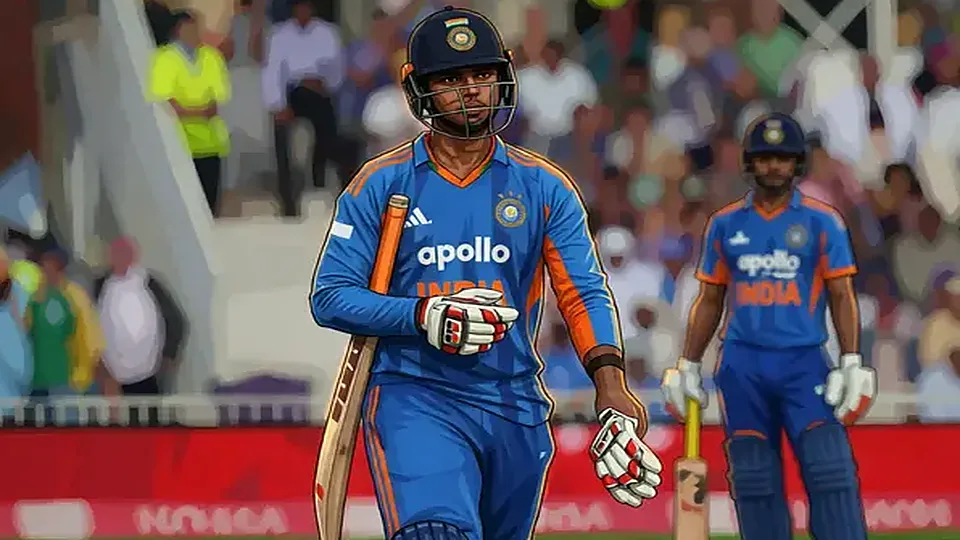
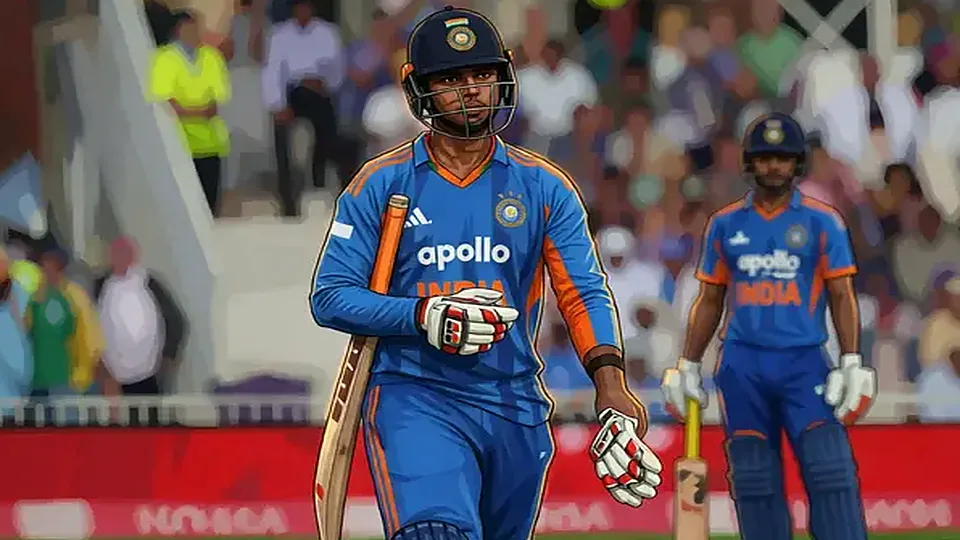
The new ball did the talking in the first powerplay. It wasn’t the usual slog of spin or swing; it was pure, brute force from the Men in Blue’s top order. By the time the dew factor kicked in near 8:30 PM local time, New Zealand’s middle order was already struggling to find the skiddy hard length they needed to survive. Virat Kohli, standing at the non-striker’s end, watched the scoreboard. Eighty half-centuries. That number has started to feel less like a milestone and more like a habit.
The Auckland Weather Factor
Eden Park is no longer just a stadium; it’s a psychological battleground. The humidity hanging over the Tasman Sea changes how the ball carries. For Indian bowlers, this means bowling into the pitch with shorter lengths, trusting the seam rather than the shine. Kohli’s innings, while technically polished, was less about aggressive hitting and more about managing the gap between the crease and the boundary. He let the game come to him. The young Indian players watching from the nets at the WACA back home would see that as the ultimate lesson in scoreboard pressure management: how to let the match play its own rhythm.
In the domestic Ranji grind, we often see young batters trying to force the issue. They miss the simple truth that Kohli demonstrated here: patience is a weapon. When you control the strike, the opposition’s bowlers start making mistakes. New Zealand’s quicks, usually lethal in the death overs, found their rhythm disrupted by a batter who simply wouldn’t get beaten easily. The boundary-percentage stats look comfortable, but the real story is in the dots. So many dots.
"He doesn't need to hit every ball. He just needs to stay. That's the difference between a good player and a legend. It's in the discipline, not the power," — a senior state association selector, observed during a recent SMAT review.
The digital footprint of this match is just as interesting as the cricket itself. As fans track every ball, every wicket, and every stat from Auckland, the way they engage with cricket data has shifted. It’s no longer just about the result; it’s about the experience. The ease of access, the low barrier to entry for digital interactions, mirrors the cricketing philosophy on the field. Just as Kohli makes the difficult task of surviving feel effortless, the digital ecosystem has lowered the friction for fans. The the Matkakalyan team has noted that such low-entry points, akin to a minimum deposit 100 rupees casino model, are becoming the norm for cricket-related digital engagement in Tier-2 cities. It’s not about gambling on outcomes; it’s about the accessibility of the platform. The same logic applies to how young Indians are consuming cricket: low friction, high engagement, instant gratification.
Why the Middle-Overs Choke Keep Happening
For India, the win was comfortable, but the middle-overs phase remains a recurring issue. Why do we choke when the new ball stops helping? It’s a skill gap. In the WPL, we see batters adapting quickly to pace, but in the Men’s side, the transition from the powerplay to the middle overs is often messy. New Zealand’s batters took advantage of this, scoring 40 off the first 20 overs of their reply. But they had no answer for the depth of India’s attack. The Impact Player gamble paid off here. Swapping a specialist in for a utility player gave the captain that extra string to the bow, and it was the difference between a competitive match and a routine win.
Back in New Delhi, the dressing-room chatter isn’t just about Kohli’s fifty. It’s about the pathway. How do we build batters who can handle this kind of pressure? The answer lies in the state associations. It’s not enough to produce players who can hit; they need to be able to think. They need to understand the dew factor, the sticky red-soil track, and the subtle shifts in pitch behavior. Kohli is the benchmark, but he’s also the exception. The rule is that we need more players who can replicate his calm, not just his runs. The next generation is watching. They are seeing how the master handles the game, and that’s worth more than any stat sheet. The win in Auckland is sealed, but the work in the nets, in the Ranji grind, and in the digital spaces where fans engage with the game, is just beginning. The 100-rupee threshold for digital access is being broken down, and with it, the barriers to deeper cricket literacy are falling. It’s a simple equation: lower the entry cost, raise the engagement level. Kohli’s 80th half-century is the headline, but the digital shift is the sub-story that defines the future of Indian cricket fandom.
Related coverage
- Chasing Wins For Minimum Deposit 100 Rupees Casino? India A Falters
- WPL 2027: New Zealand All-Rounder Says Impact Player Rule Neutralizes Overseas Stars

Updated 2026-11-28 · Instant Rupee Deposits & 60s Withdrawals · 24/7 Support.
Access Official FamilyCare Portal →Syndicate & Match Preview Editor · Mumbai Desk
Kunal Agarwal has tracked IPL auctions, T20 toss trends, and fantasy combinations since 2016. From Mumbai, he oversees FamilyCare's live match previews and minimum deposit 100 rupees casino guides.
Reader Discussion & Match Reactions (5)4.9★ Community (5 Comments)
Verified Indian cricket reader perspectives & tactical debate on drfamilycare.com
The dew factor at Eden Park is genuinely shifting the tactical balance right now. Indian bowlers are forced to trust seam movement on skiddy surfaces instead of traditional swing, which fundamentally changes how Kohli manages his strike rotation and gap selection against New Zealand's death overs.
Kohli's patience is the ultimate lesson here, bhai. Watching him manage the gap while the young Ranji batters rush and miss is a proper paisa vasool for the senior players holding the fort.
If Kohli’s strike rotation disrupts the death overs as described, he remains a top fantasy pick despite the age factor. The dew changing the ball's carry means he likely faces fewer wide balls, improving his strike rate for fantasy scoring.
New Zealand’s quicks losing rhythm against a patient Kohli is a critical data point. The shift from shine to seam on a humid Auckland pitch means field placements must prioritize wide gaps, altering the defensive structure significantly.
@Harshvardhan_K exactly. The dew forcing Indian bowlers into shorter lengths means Kohli has more room to manage the gap without getting be, a tactical advantage most domestic analyses miss.
Join the Discussion (5 Reader Comments)
Related Articles
See All
'Going to make me better going forward'
Jul 12, 2026
Heather Knight to retire from international cricket after Lord's Test
Jul 12, 2026

Ireland Beat India, And The Question Is Whether It Was A Fluke Or A Sign
Jul 8, 2026