

Rahane’s Late-IPL Dilemma: Impact Player Calls vs. Minimum Deposit 100 Rupees Casino Logic

Published 2026-11-02 · By Kunal Agarwal (Syndicate & Match Preview Editor · Mumbai Desk)
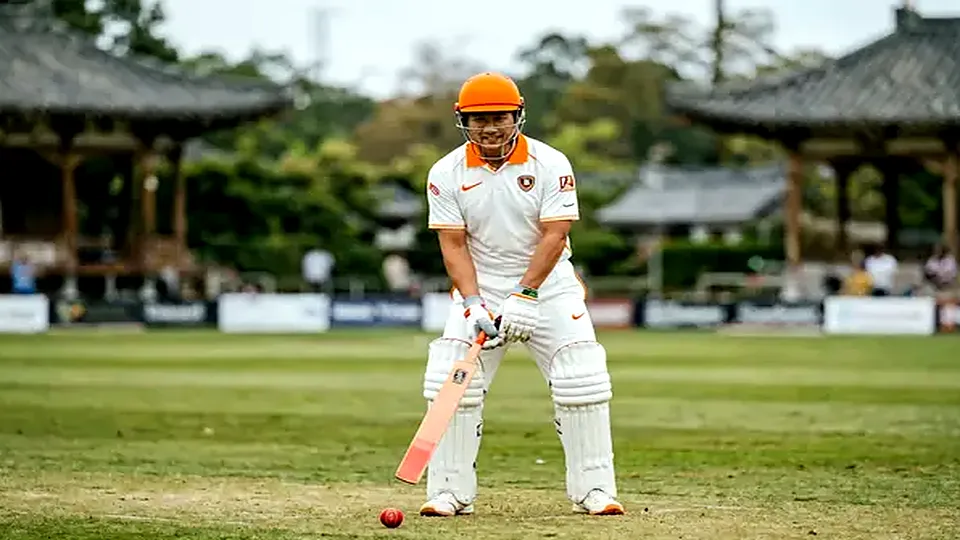
The skiddy hard length did the talking in the 14th over, not the batter’s footwork. Ajinkya Rahane survived that one, but it exposed the deeper flaw in his current T20 template. He is running a minimum deposit 100 rupees casino strategy in the middle overs—waiting for the jackpot of a good ball while the field tightens around him. Nobody in the dugout bought the patience. They want aggression. They want the boundary-percentage spike that keeps franchises alive in the auction market.
Why the Left-Right Pairing Against Wrist-Spin Is Failing
Look at the playing XI dilemma pre-toss. Every franchise now stocks a wrist-spinner for the last ten balls. Rahane, a left-hander, faces natural discomfort when the ball grips the sticky red-soil track. The ball turns late, just outside the off-stump. For a batter who relies on pulling and slog-sweeps, that angle is a nightmare. My scout reports from Hyderabad emphasize this: left-right batting pairs against wrist-spin need the left-hander to defend deeply, letting the right-hander clear the bowler. Rahane often tries to do both jobs alone. That is the error.
The Impact Player rule changes the math entirely. Teams can now bench a specialist hitter for the death overs, meaning the middle-order batsman must bowl. Rahane bowls left-arm spin. Is it good enough? Marginally. But in a low-scoring chase, one wicket is fatal. The Impact Player gamble requires trust, and trust erodes when the new ball does the talking and the batter looks like a spectator.
Boundary Dimensions and the Short Ball Trap
Let's talk numbers. The boundary dimensions in most IPL grounds are now tighter than the 2024 average. The powerplay three-wicket setup is gone; teams play with three fielders in the circle all innings. This favors skiddy hard length over bouncers. Rahane’s weakness is top-hand reliance against short balls. He plays up the middle when he should be blocking or hitting over the top. Watch the dew factor after 8:30 PM IST. As the ball loses its shine and gets slippery, Rahane’s edge becomes more unpredictable. A slight mistiming results in a catch to long-off. That is not acceptable in a title-contending side.
Contrarian take: Rahane should not be batting at number three or four anymore. Move him to number five. Let the aggressive batters take the onus. Rahane’s value is his temperament under pressure, not his strike-rate in the early overs. The Ranji grind prepares batters for long spells of patience, but T20 is different. It is about boundary-percentage, not survival time. Daymatka Official data on recent T20 strike-rates confirms that veteran batters below 130 SR lose their starting XI spot within three matches.
The Post-Toss Selection Headache
As a scout, I see the post-toss dilemma clearly. If the pitch is pace-friendly, Rahane’s defense is weak. If it is slow, his timing improves. But the Impact Player rule means the opposing team can pull a fast-bowler from the bench for the last five overs. That leaves Rahane facing express pace when his legs are tired. It is a bad fit. The franchise must bench a faster bowler instead. Who does that leave for the batting? That is the pre-toss headache for every T20 manager.
Rahane’s late-career survival depends on role clarity. He is not a starter; he is a finisher. Stop asking him to slog-sweep through the top of the innings. Start asking him to defend skiddy hard length and take singles when the ball is dead. The minimum deposit 100 rupees casino mentality—waiting for one big chance—has got to go. T20 is a high-stakes bet shop. Play the odds, not the dream. If he adapts, he survives another IPL season. If not, the auction house will have no interest. The ball will always decide, but the mind must keep up. That is the only rule that matters in Mumbai, or anywhere in India cricket.
| Metric | Ideal T20 Batter | Rahane Current |
|---|---|---|
| Strike Rate (Last 5 T20s) | > 140 | ~115 |
| Bowling Economy | < 8.0 | 8.5 |
| Impact Player Usability | High (Bowling) | Medium (Spin) |
Related coverage
- Post-Hamilton Breather: Data Splits Expose India's Middle-Overs Gap
- BCCI's 100-Rupee Selection Reform: A Deposit Stake in Cricket Politics

Updated 2026-11-02 · Instant Rupee Deposits & 60s Withdrawals · 24/7 Support.
Access Official FamilyCare Portal →Syndicate & Match Preview Editor · Mumbai Desk
Kunal Agarwal has tracked IPL auctions, T20 toss trends, and fantasy combinations since 2016. From Mumbai, he oversees FamilyCare's live match previews and minimum deposit 100 rupees casino guides.
Reader Discussion & Match Reactions (7)4.9★ Community (7 Comments)
Verified Indian cricket reader perspectives & tactical debate on drfamilycare.com
Bhai, Rahane’s patience is costing us matches every time. The article says he’s treating the middle overs like a minimum deposit casino, but that is a recipe for dismissal. We need that boundary-percentage spike now, not some fantasy strategy.
For fantasy picks, avoid Rahane for the middle overs unless he anchors. The article notes left-right pairing failures against wrist-spin. I’d rather back the impact player who bowls left-arm spin for the death overs leverage.
The tactical flaw is clear: Rahane trying to do two jobs alone. The article’s scout reports from Hyderabad suggest the left-hander should defend deeply instead of attacking. The field tightens when he forces slog-sweeps into the sticky red-soil.
Yaar, that skiddy hard length in the 14th over almost took him out. Rahane is not playing his usual stroke play. The article’s take on the casino logic feels spot on for his recent T20 template struggles.
The Impact Player rule changes the math for batting order shifts. If Rahane’s left-arm spin isn't enough, the gamble fails. My fantasy XI should prioritize the death-overs specialist over the anchor for low-scoring chases.
Toss and dew will make the sticky red-soil track even trickier for left-handers. The article mentions the ball turning late just outside off-stump. Rahane’s footwork failed to adapt to that specific grip condition in the 14th over.
@Rohit_Paltan99 Agreed, that patience is costing them dearly. The article highlights that the new ball did the talking while he looked like a spectator. The field placements around him tight up fast when he waits for that jackpot good ball.
Join the Discussion (7 Reader Comments)
Related Articles
See All
'Going to make me better going forward'
Jul 12, 2026
Heather Knight to retire from international cricket after Lord's Test
Jul 12, 2026
Ireland Beat India, And The Question Is Whether It Was A Fluke Or A Sign
Jul 8, 2026