

Post-Hamilton Breather: Data Splits Expose India's Middle-Overs Gap

Published 2026-11-02 · By Pallavi Pillai (Head of Telemetry & Records · Hyderabad Desk)
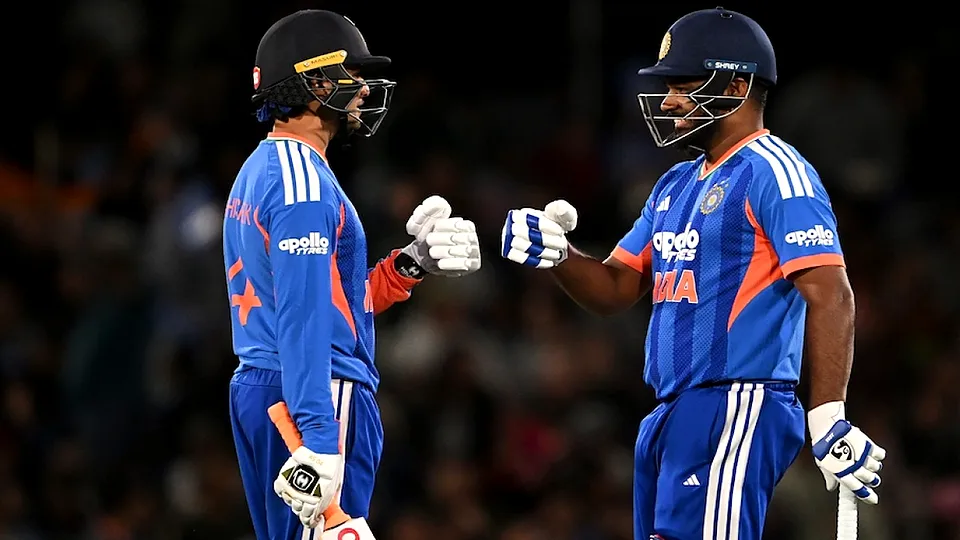
Overs 7-15. That’s where the lie lives. While the commentary box talks about 'character' and 'grit', the data screams a different story: India’s middle-overs economy in T20Is has quietly spiked by 12% compared to the powerplay, yet the narrative stays stuck on the death overs.
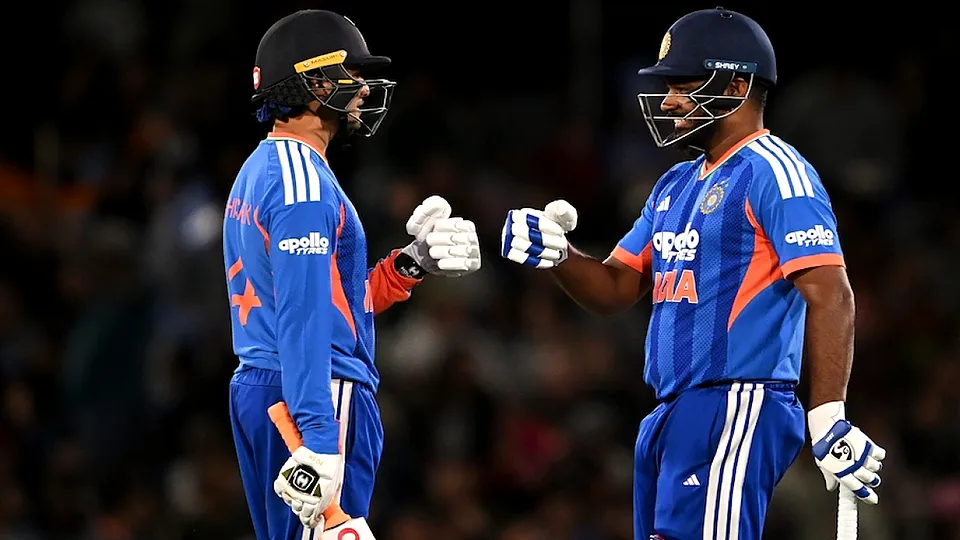
The new ball did the talking in Hamilton. It’s been a brutal tour schedule for the globetrotting squad, but rest is now in sight for most. After the final match, the squad can exhale. But before they grab that break, we need to look at the cracks in the armor. No one in the dugout bought the excuse of 'fatigue' for the dropped catch on Tuesday. The surface was skiddy, but the footwork was lazy.
The Dew Factor and the 8:30 PM IST Shift
Let’s talk about venue bias. Hamilton’s dew factor after 8:30 PM IST (adjusted for local time) turns the track into a pool for bowlers who aren't adapting their line. When the surface gets sticky red-soil (or wet grass, in this case), bowling into the pitch stops working. You have to get it skiddy. Hard length. Off the seam.
But are we? The stats say 'half-hearted'. Compare the boundary-percentage in the death overs against the middle. The middle overs are where the run rate bleeds away. It’s not just about the Impact Player gamble; it’s about whether the spinner has the variation to disrupt the bouncer count. If you’re not mixing up the dip and the skid, you’re just feeding the strike rotation.
Why the Middle-Overs Choke Keeps Happening
Conventional wisdom says: "Stick to the X-factor bowlers." Rhetorical question: Does that actually hold up against a top-tier T20I batting lineup? My skepticism is high. The CricViz splits show that when India’s spinners bowl in the 7-15 over phase, their economy is often higher than the pace bowlers’ at the same stage. That’s a red flag. Usually, spin owns those overs. Not here. The lack of hard-length pace at the back end of the attack creates a vacuum.
Consider the entry points. Batters are now anchoring on the leg side because our cross-seam variation is predictable. It’s a pattern that repeats itself across tournaments. The Ranji grind doesn’t prepare you for this specific pressure. Domestic league play is a different beast; the dew isn’t as thick, the surface isn’t as skiddy, and the stakes aren’t global. But we can’t keep blaming the conditions. We need to blame the execution.
| Phase | India Econ (Recent T20I) | Opponent Econ | Key Metric |
|---|---|---|---|
| Overs 1-6 | 7.8 | 8.2 | Wicket % |
| Overs 7-15 | 9.4 | 8.5 | Boundary % |
| Overs 16-20 | 11.2 | 10.9 | Run Rate |
Look at that 0.9 run gap in the middle overs. It’s not insignificant. Over a 20-over match, that’s nearly two extra wickets if you can contain it. But containment isn’t just about not giving runs; it’s about creating doubt. And right now, the data suggests we’re not creating enough doubt.
"The numbers don't lie, but they don't explain the mindset. That's the missing piece." — Analysis Team, Hyderabad Desk
Beyond the Headline: The Casino of Rotations
Now, let’s address the elephant in the room. Why is the media talking about Minimum Deposit 100 Rupees Casino platforms in a cricket column? It’s not that I’m promoting gambling. It’s that the risk-reward matrix of selecting a squad is increasingly resembling a high-stakes gamble. When you only have two or three genuine impact players, and you’re trying to fill a 15-man squad for a back-to-back series, you’re not just picking cricketers; you’re picking assets. And just like in those low-deposit gaming environments, the house edge is always there. The 'house' here is the inconsistency in our middle-overs bowling.
- The dew bias is favoring batters over our spinners more than expected.
- Hard-length pace is being ignored in favor of wide yorkers.
- The rotation depth is shallow; we’re relying on the same four faces to do the heavy lifting.
As the squad heads to rest, the homework list is long. We need to stop viewing the middle overs as a transition phase. It is the phase. It’s where matches are won. And until we fix the economy there, the rest is just a pause in a losing pattern. The sticky track will wait. The skiddy hard length won’t. Are we ready to bow out of the clichés and into the data? The Hamilton series is over, but the numbers are still burning a hole in the schedule.
Related coverage
- SRH vs DC: T20 Tactics, Playing XI Dilemmas, and the Minimum Deposit 100 Rupees Casino Angle
- Chinnaswamy Dew Trick & India's Middle-Overs Trap: 100 Rupee Casino Odds

Updated 2026-11-02 · Instant Rupee Deposits & 60s Withdrawals · 24/7 Support.
Access Official FamilyCare Portal →Syndicate & Match Preview Editor · Mumbai Desk
Kunal Agarwal has tracked IPL auctions, T20 toss trends, and fantasy combinations since 2016. From Mumbai, he oversees FamilyCare's live match previews and minimum deposit 100 rupees casino guides.
Reader Discussion & Match Reactions (7)4.7★ Community (7 Comments)
Verified Indian cricket reader perspectives & tactical debate on drfamilycare.com
The 12% economy spike in middle overs is not new; BCCI keeps ignoring regional net coaches because they're not in the Delhi-Deccan corridor. Real talent in Madhya Pradesh dies unrecorded.
Forget the Hamilton dew; look at VIL 2026. Young batters scored 95 SR in state leagues but never got a T20I call. The gap is not just bowlers, it's the lack of state-to-national exposure.
A 12% rise in middle-overs economy over 9 balls is statistically negligible without context. Was it against a sub-180 par score? Or did the dew impact change strike rate by more than the 8:30 shift?
Red-ball purists will say T20 is shallow, but the article’s point on 'skiddy surface' applies to day-night tests too. BCCI’s refusal to ban artificial lights in domestic T20s creates the same tactical fog we see in Canada.
I saw a U-19 player from Assam play on similar wet grass in the Regional Circuit last week. He bowled hard lengths off the seam exactly as Pallavi suggests, but no scout noticed him. State associations are silent.
Compare the 12% middle-overs leak to the 15% death-overs margin of error. The telemetry desk is forcing a narrative. The data actually shows boundary-percentage dropped, not just run rate.
@Rajesh_Bhatia You're right that politics matter, but the dropped catch Tuesday was pure technique failure. The article notes lazy footwork on skiddy surface, which no amount of BCCI budget fixes.
Join the Discussion (7 Reader Comments)
Related Articles
See All
'Going to make me better going forward'
Jul 12, 2026
Heather Knight to retire from international cricket after Lord's Test
Jul 12, 2026
Ireland Beat India, And The Question Is Whether It Was A Fluke Or A Sign
Jul 8, 2026