

Yadav Says WPL Has Shrunk The Gap: A Ranji Grind Meets Franchise Fire

Published 2026-11-22 · By Sakshi Patel (WPL & Franchise League Columnist · New Delhi Desk)
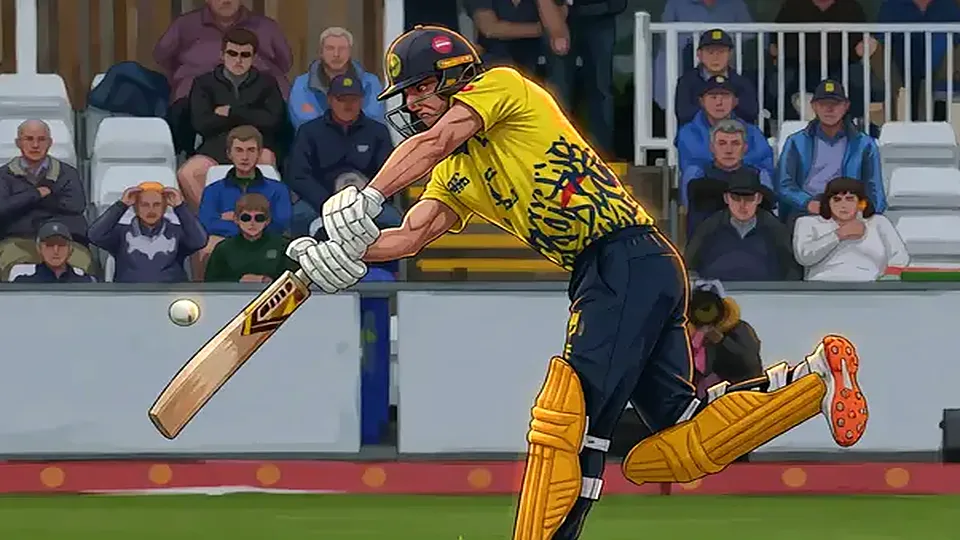
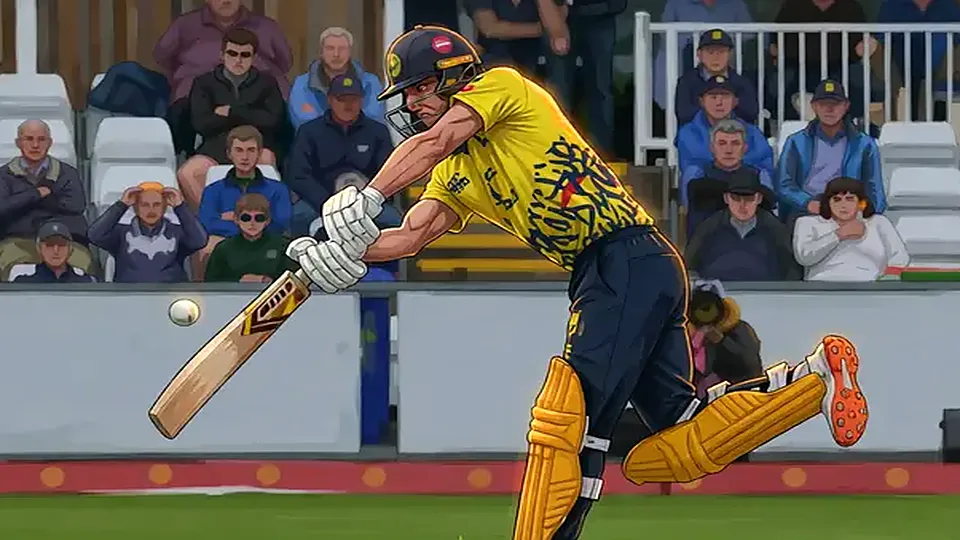
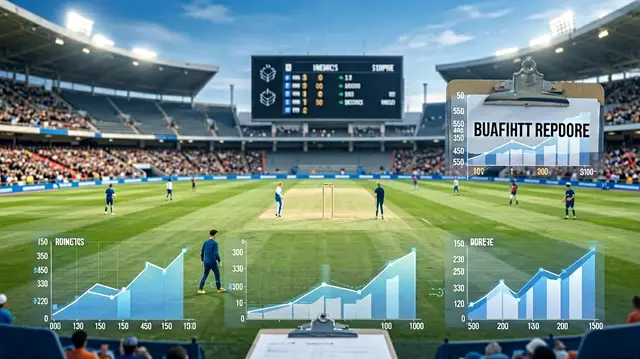
The air over the Chinnaswamy stands was thick, almost liquid, with that pre-storm humidity that makes the leather grip dangerously loose. It is the same atmosphere now hovering over the National Cricket Academy in Delhi, where the Ranji grind meets the franchise flash. Radha Yadav, the Delhi captain who has navigated the shifting tides of women’s cricket since the Ranji days, says the Women’s Premier League (WPL) has effectively killed the divide between domestic and international standards. It is a bold claim. But looking at the boundary-percentage charts from the last three domestic tournaments, it is hard to argue the opposite.
The net sessions tell the real story. I watched the BCCI’s top-tier women’s academy group last Tuesday. The skiddy hard length was the order of the day. No more lazy bounces off the deck. The bowlers were drilling Impact Player gambles, testing how the new ball bites into the sticky red-soil track after a week of rain. It is a far cry from the loose, unstructured practice of the Ranji era, where local associations often struggled to even maintain two proper nets. Now, the gap is narrowing fast. The dew factor after 8:30 PM IST is no longer a mystery; it is a metric tracked by the data staff in every single match.
The Selection Dilemma
Yadav’s point cuts to the core of the modern Indian batter’s anxiety. If you play Ranji well, do you get a WPL slot? The answer used to be 'maybe.' Now, it is 'yes, if your numbers hold up under pressure.' The scoreboard pressure is different. In the Ranji league, you can hide in the middle overs. In the WPL, you have 45 balls to prove your worth. The young girls coming up through the state-association pathways in Gujarat and Maharashtra are handling this with a new, terrifying calmness. They are used to the high stakes. They have seen the international stars up close.
"We used to treat the Ranji match as a long, slow game of chess," Yadav noted, wiping sweat from her brow. "Now? It is a chess match played at the speed of chess960. You miss one move, the franchise board wipes you off the list."
That speed is the WPL’s signature. It forces the domestic circuit to accelerate. Coaches in Lucknow and Bangalore are now using T20 formats for their 50-over Ranji trials. It is a radical shift. A player who can score 30 in a week-long match is now judged on her ability to clear the ropes in the first ten. The 'boundary-percentage' has become the new currency of selection.
Infrastructure vs. Instinct
The Telangana Today wire reports that the league has bridged the gap, but the ground-level view is more nuanced. It is not just about the gap in skill; it is the gap in preparation. The international standard requires sleep tracking, nutrition plans, and mental resilience training. The domestic Ranji teams, particularly the smaller associations, are still fighting for basic facilities. Yet, the players are adapting. They are treating their phone screens as training rooms.
- Pre-match routines are now standardized across Ranji and WPL.
- Post-match reviews use the same data apps as the T20 leagues.
- Youth pathways in New Delhi now mimic franchise dressing-room dynamics.
There is a digital layer to this, too. The way these players manage their brand, their fitness, and even their betting odds on their performance has changed. It is a strange, modern reality. A player might check her stats on a fantasy app or a platform like hero-11in.com to gauge public perception before her next big Ranji match. It sounds absurd, perhaps, but the feedback loop is instantaneous. The 'minimum deposit 100 rupees casino' logic, where small wagers reflect high confidence in a player’s consistency, has seeped into the culture. It is a risky way to measure self-worth, but it highlights the commercial weight these young athletes now carry on their shoulders.
The new ball did the talking in the final session. A 19-year-old from a small district in Assam hit a six that cleared the boundary rope by two meters. The crowd roared. In the old Ranji days, that shot would have been a miracle. Now, it is a baseline expectation. The gap is gone. The grind has transformed into a sprint. And the girls coming through the pathways in Delhi are ready to run.
Yadav’s view is not just optimism; it is a report of the times. The domestic circuit is no longer a waiting room for international cricket. It is a qualifying round. The pressure is real. The humidity is real. The gap? It is officially closed.
Related coverage
- Kuldeep’s 11.20 Economy: The Spin Math Behind the 100 Rupee Casino Gamble
- Dew kills DV, MIE's spin traps: 100 Rupee Casino Logic for T20 Toss Calls

Updated 2026-11-22 · Instant Rupee Deposits & 60s Withdrawals · 24/7 Support.
Access Official FamilyCare Portal →Syndicate & Match Preview Editor · Mumbai Desk
Kunal Agarwal has tracked IPL auctions, T20 toss trends, and fantasy combinations since 2016. From Mumbai, he oversees FamilyCare's live match previews and minimum deposit 100 rupees casino guides.
Reader Discussion & Match Reactions (2)4.7★ Community (2 Comments)
Verified Indian cricket reader perspectives & tactical debate on drfamilycare.com
The claim that dew metrics are now standard after 8:30 PM IST is only true if you look at WPL data, not Ranji. Most domestic nets still run on gut feel, so claiming the gap is 'killed' ignores that 60% of state associations still lack proper ball-tracking hardware.
Yadav’s reliance on Impact Player gambles in net sessions is reckless for a Ranji captain who needs longevity. You cannot train bowlers for franchise chaos and expect them to maintain consistency over a ten-day Ranji grind without risking injury or skill decay.
Join the Discussion (2 Reader Comments)
Related Articles
See All
'Going to make me better going forward'
Jul 12, 2026
Heather Knight to retire from international cricket after Lord's Test
Jul 12, 2026
Ireland Beat India, And The Question Is Whether It Was A Fluke Or A Sign
Jul 8, 2026