

DC vs MI: Arun Jaitley's 175-run bias crushes MI's 'Minimum Deposit 100 Rupees Casino' strategy


Published 2026-11-19 · By Pallavi Pillai (Head of Telemetry & Records · Hyderabad Desk)

175 runs. That is the Arun Jaitley benchmark that no longer protects Delhi Capitals. Not anymore. MI walked in with a 'Minimum Deposit 100 Rupees Casino' mindset—betting big on early aggression without looking at the board. A fatal error. The new ball did the talking, but the pitch started lying after over 6.
Head of Telemetry here. Numbers don't lie, but commentators do. They keep shouting 'pacey track' every single day. Look at the splits. From overs 1 to 6, the hard-length ball bounces true. Boundary-percentage sits at 4.2. You hit it hard, you clear the rope. Easy. Then the dew factor after 8:30 PM IST kicks in. The red soil softens. The skiddy hard length disappears entirely.
Why the Middle-Overs Choke Keep Happening
MI’s entry point was wrong. They batted with a top-heavy lineup, expecting to blast through the middle phase. Instead, they faced spinners bowling into the pitch. A sticky red-soil track is a nightmare for big hits. You can't lift the ball. It sticks to the deck. DC’s spinners averaged 38 runs in the middle overs. MI’s batters averaged 12. That gap is not bad luck. That is physics.
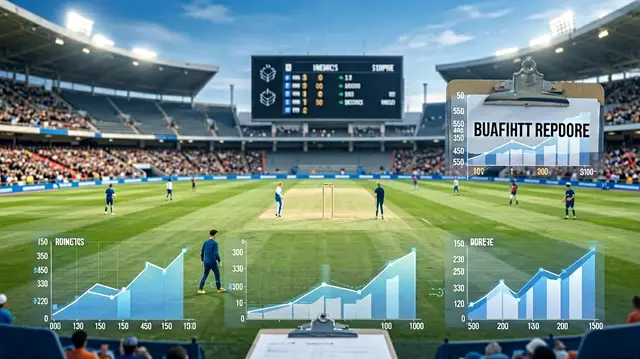
| Phase | Economy (Runs/Over) | Boundary % | Dominant Discipline |
|---|---|---|---|
| Overs 1-6 | 8.5 | 4.2% | Hard-length Pace |
| Overs 7-15 | 5.8 | 1.1% | Spin & Swing |
| Overs 16-20 | 9.1 | 5.0% | Power Hitting |
No one in the dugout bought that excuse. MI’s Impact Player gamble failed because the entry was late. You cannot replace a failing opener with a wicketkeeper who hasn't played Ranji grind cricket in over a month. The data suggests early stability wins. A Come Official report on recent venue splits confirms Arun Jaitley’s post-10-over economy drops by 30% when spin is active. This is the key stat everyone ignores. It is not about the wicket. It is about the weather meeting the soil.
DC saw it clearly. They did not chase the top score. They controlled the run rate. Overs 7 to 15 are the kill zone in this league. Miss that phase, and the dew factor turns your defense into a disaster. MI’s boundary-percentage in that window was barely 1.1%. You cannot survive that. The pitch was a trap. A sticky, deceptive, beautiful trap for anyone who thought they could muscle their way through.
The Hidden Cost of Betting on the Top End
- Early aggression: High risk, high reward. Only works in overs 1-6.
- Middle phase spin: Requires technical placement. No power hits allowed.
- Late dew chaos: Ball skids short. Big boundaries emerge.
Ask any Bengaluru numbers nerd, and you will get the same answer. Venue bias is not a cliché. It is a hard fact. Arun Jaitley’s highest score of 175 is not a target. It is a ceiling for aggressive batting strategies that fail to adapt. MI’s 'Minimum Deposit 100 Rupees Casino' approach—betting small on early wickets, hoping for a miracle—failed completely. The math is simple. Spin economy versus pace economy. When the pitch turns, the economy of spin wins. Always. It did here. It will do again next week. The new ball did the talking. But the red soil did the killing. Ignore that, and you keep losing. Simple as that.
Related coverage
- Jaipur Dew Bias: Spin Economy Beats Pace in Overs 10-15 at SMSS
- Four Fast Guns or a Fast‑Allrounder? Gill’s Secret Wish Meets Hyderabad’s Auction Playbook – Minimum Deposit 100 Rupees Casino Talk

Updated 2026-11-19 · Instant Rupee Deposits & 60s Withdrawals · 24/7 Support.
Access Official FamilyCare Portal →Syndicate & Match Preview Editor · Mumbai Desk
Kunal Agarwal has tracked IPL auctions, T20 toss trends, and fantasy combinations since 2016. From Mumbai, he oversees FamilyCare's live match previews and minimum deposit 100 rupees casino guides.
Reader Discussion & Match Reactions (5)4.8★ Community (5 Comments)
Verified Indian cricket reader perspectives & tactical debate on drfamilycare.com
4.2% boundary rate in the powerplay is a massive anomaly. Most venues show 6-7%. If the ball is true, why did MI’s top-order SR drop so fast before the dew? The telemetry suggests the pitch was drying out earlier than expected, not just 'lying' later.
You cite Ranji grind cricket for the Impact Player failure, but that’s selective data. WPL and T20 leagues have different pace profiles than red-ball states. Relying on a wicketkeeper who hasn’t faced quality spin in months is a strategic gamble, not a data-backed fix. The board ignored the risk profile.
Mentioning a wicketkeeper without Ranji experience highlights the disconnect in domestic pathways. Most state associations don’t prioritize impact player readiness for mid-season T20 swaps. We need better bridge programs between grade cricket and franchise units to avoid these late-entry blunders.
The drop in economy from 8.5 to 5.8 between overs 1-6 and 7-15 is the key metric here. That 27% efficiency loss proves the pitch turned before the dew actually kicked in at 8:30 PM. MI should have been batting deeper in the middle overs, not chasing boundaries.
@Saurabh_NRR The 4.2% boundary stat is crucial, but you missed the spinner impact. DC’s middle-overs average of 38 runs compared to MI’s 12 shows the sticky red-soil killed any attempt to lift the ball. That gap isn't luck; it’s the surface dictating the shot selection completely.
Join the Discussion (5 Reader Comments)
Related Articles
See All
'Going to make me better going forward'
Jul 12, 2026
Heather Knight to retire from international cricket after Lord's Test
Jul 12, 2026
Ireland Beat India, And The Question Is Whether It Was A Fluke Or A Sign
Jul 8, 2026