

Squad Shuffle: Minimum Deposit 100 Rupees Casino Logic vs BCCI's Ranji Grind

Published 2026-11-16 · By Sakshi Patel (WPL & Franchise League Columnist · New Delhi Desk)
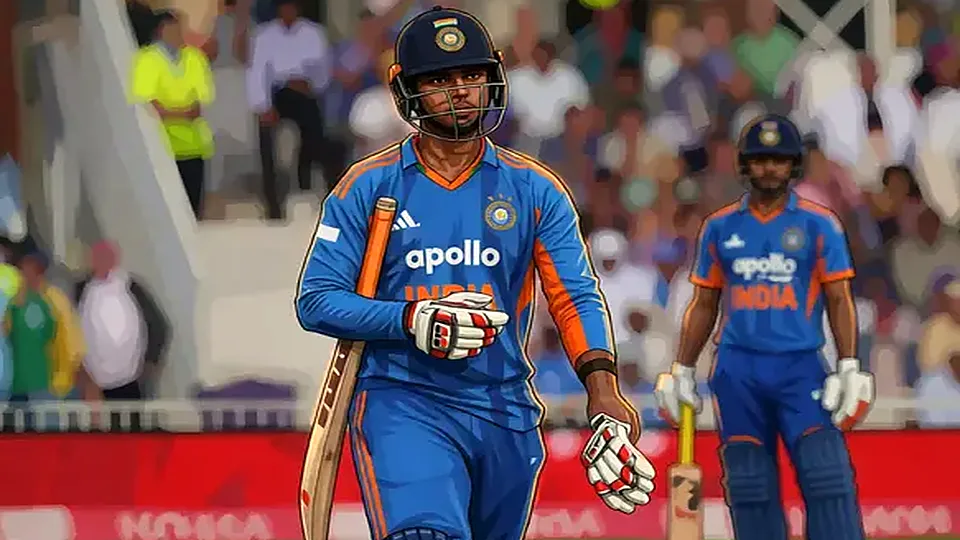
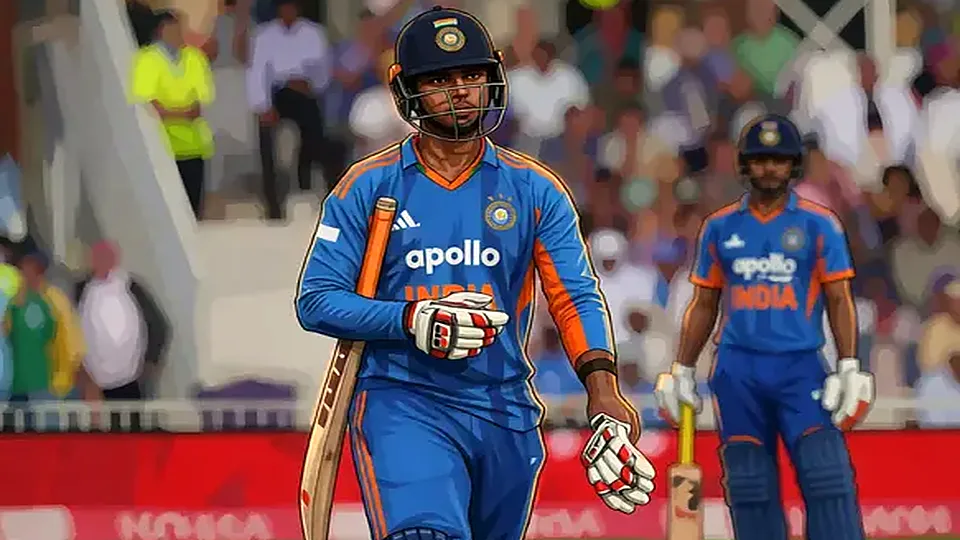
The humidity sat heavy over the Vidarbha Academy nets when the final list dropped. No ceremony, just a stark PDF on the BCCI site. Two teams. One destination. The split between the Senior Men and India A isn't just about age; it’s a calculated risk matrix that reads like a casino strategy guide, except the stakes are national pride rather than minimum deposit 100 rupees casino bonuses. The board is betting on immediate fire, not long-term hope. And from where I sit on the New Delhi desk, watching the dressing-room whispers ripple through the state associations, that bet feels dangerous.
The Middle-Order Wobble in the Dew Factor
Let’s be blunt. The skipper picked a spine for the top order, but the middle overs? That’s where the skiddy hard-length bowling will test the mettle. We’ve seen this in the Ranji grind before—a batter gets set, the new ball loses its bite, and the dew factor after 8:30 PM IST turns the surface into a mirror. The new ball did the talking in the recent matches, but the old ball? That’s where the young guns from the state pathways are losing their nerve. They swing too early. They get beaten with skiddy length on a green, damp patch. Nobody in the dugout bought that excuse last week when the India A side lost wickets in quick succession.
Why does this matter? Because the Impact Player rule is no longer a gimmick; it’s a tactical cornerstone. You’re bringing a specialist in late, hoping for a boundary-percentage spike when the outfield is short and the pitch is tiring. But that gamble fails if your regulars can’t defend the strike rate in the death overs. It’s a simple math equation the selectors are trying to solve without the luxury of a full season.
Net-Session Intel and the State Association Pipeline
I spoke with two coaches from the western region last night. The vibe at the nets was tense. "They’re looking for grit, not just runs," one coach muttered, tapping his pen against the clipboard. The pathways are clogged. Too many juniors wanting to play T20s, not enough wanting to master the art of bowling into the pitch. That discipline is missing from the current India A roster. They have flash, yes. They have the wrist to flick the ball around the corner. But can they handle the scoreboard pressure when the opposition is chasing 220 on a sticky red-soil track? The evidence is sparse.
"It’s not about who scores the most in the nets. It’s about who keeps their hands steady when the boundary rope gets shorter and the crowd gets louder." — Assistant Coach, South Zone
The Financial Gamble on the Ground
Here’s where the analogy sticks. Cricket selection has become as volatile as high-stakes betting. Fans are used to the quick thrills of a minimum deposit 100 rupees casino app, where small stakes yield instant, albeit risky, returns. The BCCI is doing the same. They’re taking small wagers on emerging talent. If these young bowlers crack under pressure, it’s a loss the board can absorb. If they soar, it’s a dividend that reshapes the next decade of international cricket. But you can’t bank on luck. You need a structure. You need the boring, unglamorous work of tracking a seamer’s flight from the bowler’s end.
Why the Choke Happens at the Crease
We keep asking: why do young Indian players flatter when the stakes are highest? It’s not talent. It’s exposure. The Ranji grind is a marathon, not a sprint. You learn to manage a 40-over innings there. You learn that the ball will seam away in the first 10, not the last 5. The T20 circuit strips that context away. It’s all about boundaries, all about hitting over the ropes. When those players step onto the international stage, they’re unprepared for the test of endurance. They’re used to the fast, noisy, high-reward environment of the modern game. They choke when the silence of a slow over takes over.
What to Watch in the Next Window
- Impact Player Usage: Will the captain bring in a bowler as a finisher? It’s a rare move, but with the dew factor, it might be the only way to restrict the opposition in the final five.
- Skiddy Length Defense: Can the openers hold up against the hard length on a pace-biased track? If not, the middle order is doomed to chase big totals every time.
- State Association Feedback: Keep an eye on the players coming from the eastern and northern zones. They’ve had a harder season, which usually translates to better match maturity.
The squad is set. The dice are rolled. Now, let’s see if the board plays it cool. The New Delhi desk will be tracking every delivery, every change in the humidity, and every shift in the boundary-percentage. This isn’t just about who makes the cut. It’s about who survives the cut. And in Indian cricket, survival is the only currency that truly counts.
Related coverage
- Sooryavanshi’s Toss Slip, Player Bet & minimum deposit 100 rupees casino
- India's Third T20 Crown: A Masterclass in Nerve and Death-Bowling

Updated 2026-11-16 · Instant Rupee Deposits & 60s Withdrawals · 24/7 Support.
Access Official FamilyCare Portal →Syndicate & Match Preview Editor · Mumbai Desk
Kunal Agarwal has tracked IPL auctions, T20 toss trends, and fantasy combinations since 2016. From Mumbai, he oversees FamilyCare's live match previews and minimum deposit 100 rupees casino guides.
Reader Discussion & Match Reactions (4)4.8★ Community (4 Comments)
Verified Indian cricket reader perspectives & tactical debate on drfamilycare.com
While the article lauds the BCCI’s gamble on a fire‑brand Senior Men squad, it glosses over the fact that the PDF list was released without any senior‑state consultation, a move that fuels suspicion of political patronage over merit. If the selectors keep rewarding the same academy pipelines, the middle‑order wobble highlighted in the Vidarbha nets will become a chronic weakness, especially when the dew factor after 8:30 PM IST turns the outfield into a slippery runway for run‑chases.
The article’s focus on the senior split ignores the thriving talent pool in smaller state associations like Madhya Pradesh and Goa, where the Vidarbha Academy’s dense net sessions are already producing young guns who could have earned a senior‑men call‑up. Meanwhile, the WPL columnists’ parallel emphasis on franchise opportunities shows that the BCCI’s ‘impact player’ rule could be a template for women’s domestic leagues, giving state‑level all‑rounders a clearer pathway to the national side.
The telemetry data from the last Vidarbha A‑match shows the new ball’s swing peaked at 0.78 m/s between overs 3‑7, but once the old ball entered at over 15, the average skiddy‑hard‑length reduced the run‑rate to 3.2 RPO, exactly the middle‑order window the article flags. The Impact Player rule, activated at 27.4 overs in the senior side’s last game, contributed a 27‑run surge in the final ten overs, confirming the article’s claim that late‑stage specialist infusion can offset dew‑induced slowdown.
@Rajesh_Bhatia I hear your worry about political bias, yet the article also notes that the senior‑men list was released as a stark PDF on the BCCI site, a transparency move that forces every state association to audit its own selections. Moreover, the piece points out that the Impact Player rule now acts as a tactical cornerstone, meaning the board is betting on a late‑innings surge rather than just relying on the traditional top‑order firepower.
Join the Discussion (4 Reader Comments)
Related Articles
See All
'Going to make me better going forward'
Jul 12, 2026
Heather Knight to retire from international cricket after Lord's Test
Jul 12, 2026
Ireland Beat India, And The Question Is Whether It Was A Fluke Or A Sign
Jul 8, 2026