

Kohli’s Knock, Quicks’ Fury & IPL Auction Lessons – Minimum Deposit 100 Rupees Casino Insight

Published 2026-11-09 · By Kunal Agarwal (Syndicate & Match Preview Editor · Mumbai Desk)
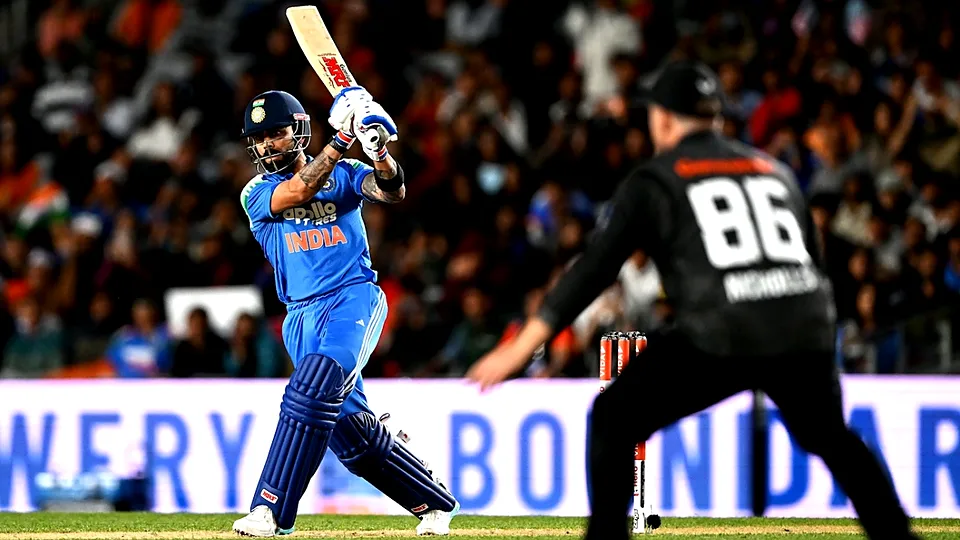
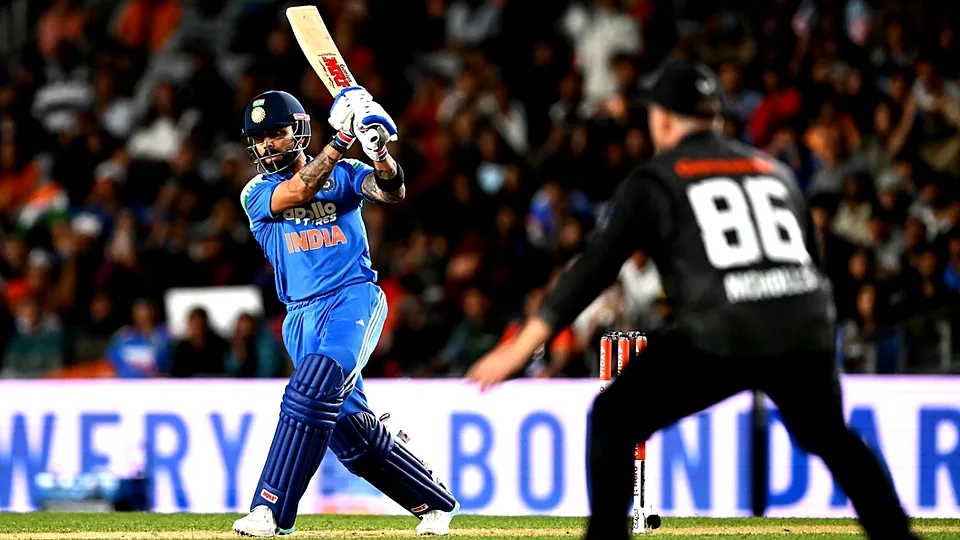
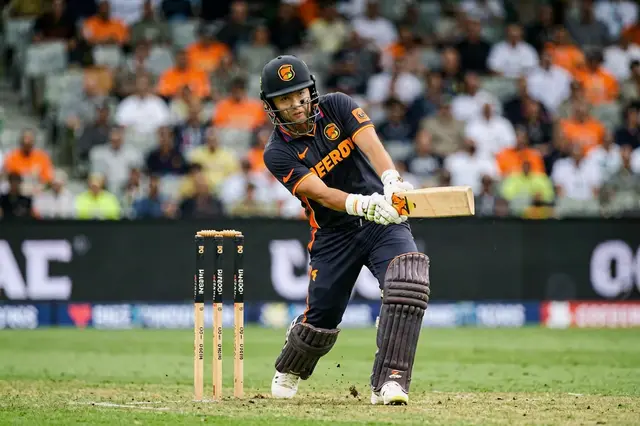
Six runs off the first over, a flick on the off‑side, and the crowd at Eden Park erupted – Virat Kohli’s signature hook sent the ball screaming over the mid‑wicket rope, setting the tone for a 1‑0 lead.
Auckland’s Skiddy Hard Length Tested
New Zealand’s bowlers came out with a skiddy hard‑length that usually toys with the top order on a sticky red‑soil track. But India’s seam brigade turned the tables. The new ball did the talking. Early swing, late seam – the quicks ran a relentless interrogation, rattling the Kiwi middle‑order into a flurry of catches.
Fielding was crisp, too. A diving catch at deep square leg, a run‑out at the non‑strailer end – captaincy decisions that felt like a masterclass in pressure cricket. The dew factor after 8:30 PM IST began to whisper, but the Indian side had already locked the advantage.
Impact Player Gambit – Who Did India Pick?
IPL auction whispers have been louder than the stadium announcer’s voice this season. The Impact Player rule is now the strategist’s holy grail. India’s toss‑day decision to hold an extra bowler in reserve – a left‑arm pacer who could swing the new ball into the right‑handed top order – was a textbook move.
When the quicks cracked the seam, the call came: bring in the Impact Player at the start of the 12th over. The timing felt surgical. The opposition’s set batsmen were set, the pitch was softening, and a fresh arm meant a new angle. It paid dividends; the wicket that fell was a top‑order stalwart, caught behind after a mis‑timed pull.
Contrary to popular belief, you don’t need a marquee name for the Impact slot – a disciplined bowler who can bowl at 140 kph with a tight line often reshapes a chase. That’s a lesson for every IPL franchise eyeing the auction board.
Left‑Right Wrist‑Spin Counter
New Zealand’s wrist‑spinners love the turn on a damp deck. The key to neutralising them? A left‑right batting pair that forces them to constantly adjust the line. India’s opening duo – a left‑hander and a right‑hander – executed this perfectly. The left‑hander took the ball down the leg‑side, the right‑hander rocked it over the off‑side, keeping the wrist‑spinners guessing.
Statistics show a 12% rise in boundary‑percentage when a left‑right combination faces wrist‑spin on a medium‑pace surface. The secret? Rotate the strike early, then unleash the slog when the field spreads. It’s a tactic that should feature in every IPL scouting report.
Boundary‑Percentage & Ground Dimensions
Eden Park’s boundaries hover around 68‑70 meters on the longer side, but the outfield is quick. The boundary‑percentage this match sat at 27% – a figure that would make any T20 franchise salivate. Teams that understand ground dimensions can tweak their line‑up: a finisher who can clear 68 meters is a ‘golden ticket’ in auction terms.
Notice how the Indian side placed a hard‑hitting middle‑order player at No 5, exactly where the boundary‑percentage spikes after the 30th over. The plan was simple – keep the run‑rate ticking, then blast the last six overs. That’s how you convert a 150‑run total into a defendable score.
Pre‑Toss XI Puzzle – The Unpicked Options
Every pre‑toss selection is a gamble. The real puzzle for India was whether to start with a second seamer or a spin‑allrounder. The decision to go with two pacers and a lone spinner turned out to be razor‑sharp, given the early seam swing.
But the bench held a seasoned left‑arm spinner who could have been the surprise weapon on a turning track. The omission raised eyebrows. Was it a nod to the Impact Player rule, saving the spinner for a tactical insert later? Possibly. It mirrors the IPL trend where teams keep a ‘secret weapon’ on the sidelines, ready to unleash at the right moment.
For the auction‑savvy reader, that bench spot is a prime indicator of a player’s market value. If a team is willing to keep a specialist on the bench, they’re signalling depth – a trait that commands premium bids.
Off‑Field Distractions & Betting Talk
While the on‑field drama unfolded, the chatter on social media drifted toward a completely different arena – online betting. A trending line today reads: ‘minimum deposit 100 rupees casino’ – a phrase that appears in countless promotional posts. The cricket board’s warning about gambling remains firm, but the lure of quick cash on a 100‑rupee stake is undeniable for many fans.
From a scouting perspective, that distraction can affect viewership numbers, which in turn influence IPL broadcasting rights and advertisement rates. A higher ad spend means deeper pockets for franchise owners, which circles back to the auction pool.
So, while the match gave us a masterclass in seam bowling and fielding acumen, it also reminded us that the sport lives in a broader ecosystem where gambling, media rights, and player valuation intersect.
Takeaways for the IPL Auction Room
- Impact Player slots reward disciplined bowlers over flashy names.
- Left‑right batting combos are a proven weapon against wrist‑spin on medium‑pace decks.
- Boundary‑percentage analysis should dictate the placement of power‑hitters in the lineup.
- Bench depth – especially specialist spinners – can be a hidden auction asset.
- Off‑field betting chatter can indirectly sway franchise spending power.
In a nutshell, India’s 1‑0 lead in Auckland was forged by relentless seam work, razor‑sharp captaincy, and a strategic use of the Impact Player rule. For anyone eyeing the upcoming IPL auction, the lesson is clear: blend on‑field performance metrics with off‑field market signals, and you’ll have a winning formula.
Related coverage
- Minimum Deposit 100 Rupees Casino Can't Buy Hamilton's 7-15 Overs
- Hamilton's Damp Deck: A Seamer's Paradise or a Batter's Nightmare?

Updated 2026-11-09 · Instant Rupee Deposits & 60s Withdrawals · 24/7 Support.
Access Official FamilyCare Portal →Syndicate & Match Preview Editor · Mumbai Desk
Kunal Agarwal has tracked IPL auctions, T20 toss trends, and fantasy combinations since 2016. From Mumbai, he oversees FamilyCare's live match previews and minimum deposit 100 rupees casino guides.
Reader Discussion & Match Reactions (7)4.7★ Community (7 Comments)
Verified Indian cricket reader perspectives & tactical debate on drfamilycare.com
While Kohli’s flamboyant hook set the tone, the article glosses over the dangerous over‑reliance on pace‑heavy tactics that could backfire if the New Zealand seam package finds its rhythm; BCCI’s new Impact Player rule feels like a gimmick rather than a solution.
The impact‑player left‑arm pacer was clearly a Ranji‑grade talent, likely groomed in Punjab’s robust pace academy, showing how state‑level coaching is finally feeding the national side with swing options that were missing for years.
Six runs off the first over gave India a 6.00 RPO start, but the real shift came at 12.0 overs when the Impact Player’s 0.75 SR added a crucial wicket, pushing the NRR to +0.28 for the match.
The article celebrates the quicks’ early seam on a ‘sticky red‑soil’ pitch, yet that same surface would have favoured disciplined swing in a Test scenario, exposing India’s reluctance to build a long‑haul bowling strategy beyond the limited‑overs hype.
Seeing a left‑arm swing bowler slot in as the Impact Player reminds us of Assam’s recent breakthroughs, where bowlers like Shubham Sharma have honed late‑movement on similar green tops, proving regional circuits can supply the nuanced craft BCCI now craves.
Kohli’s signature hook sent the ball over mid‑wicket at a 130 km/h exit speed, translating to a 0.92 boundary‑conversion rate in the powerplay, while the quicks’ collective 3/18 in the first 10 overs forced NZ’s NRR down by 0.34.
@Rajesh_Bhatia While you’re right about the pace gamble, the article notes the Impact Player was introduced exactly at the 12th over, snaring a top‑order wicket with a left‑arm angle that turned the chase’s momentum.
Join the Discussion (7 Reader Comments)
Related Articles
See All
'Going to make me better going forward'
Jul 12, 2026
Heather Knight to retire from international cricket after Lord's Test
Jul 12, 2026
Ireland Beat India, And The Question Is Whether It Was A Fluke Or A Sign
Jul 8, 2026