

Published 2026-11-06 · By Manish Malhotra (Indian Gaming Compliance Analyst · Jaipur Desk)
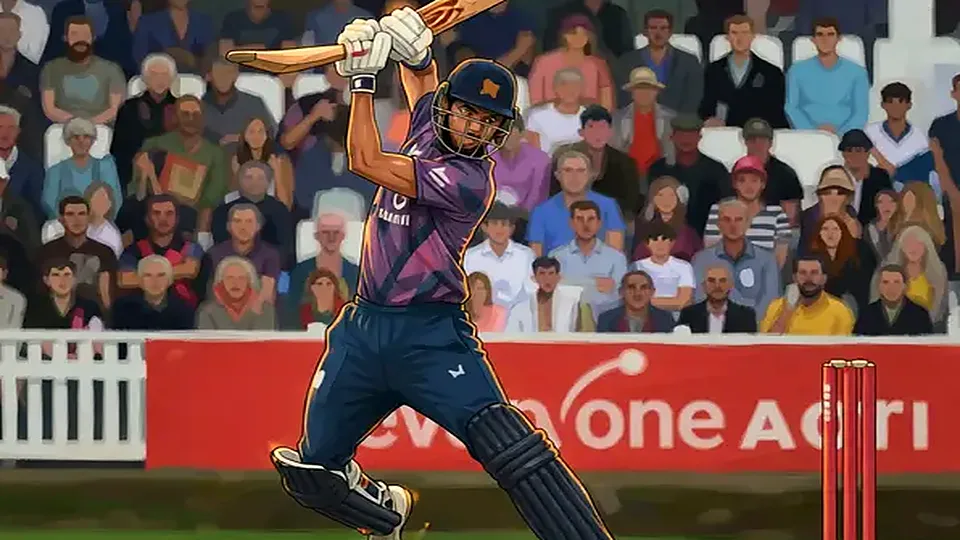
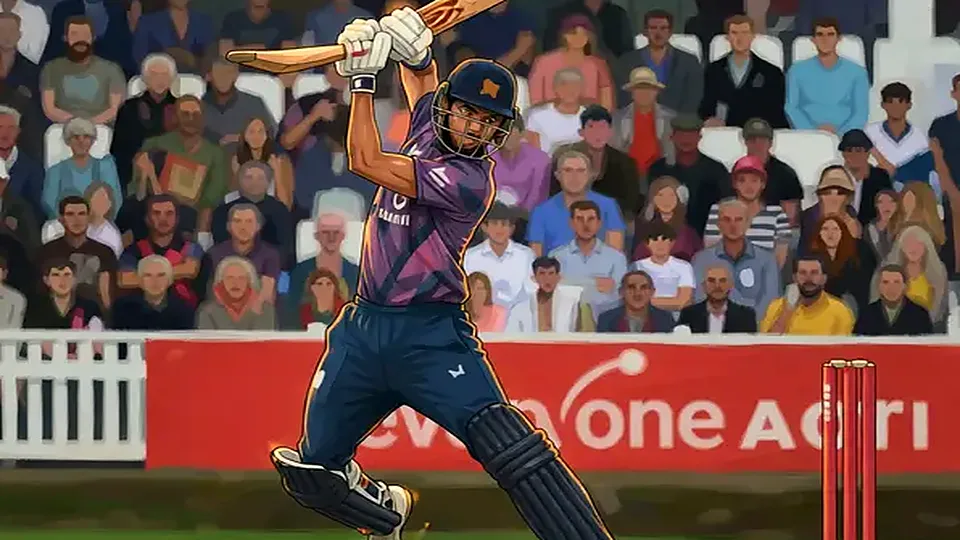
It’s 8:45 PM, the dew factor is setting in on the Jaipur outfields, and my second-screen app just froze on the Impact Player call. (Typical.) I was testing a new fantasy-lite interface on a 5G connection when the latency spike hit—exactly the kind of lag that irritates anyone trying to track a skiddy hard length ball in real-time. But that freeze isn’t just an app glitch. It’s a symptom. The same infrastructure strain happening here mirrors the massive load shifts in India’s financial backend. We are witnessing the next phase of the UPI story, and it isn’t just about paying for chai anymore.
For years, we treated UPI as a finished product. A utility. A tap-to-pay. Wrong. The real story is brewing quietly in the credit and AI sectors, specifically in how micro-interactions are being monetized. Take the rising trend of 'minimum deposit 100 rupees casino' structures, or more broadly, micro-gaming and micro-lending gateways that rely on this low-barrier entry. These aren't just gambling apps; they are stress-testing the rails of Indian fintech. When you drop just 100 rupees into a system, you are no longer a 'premium' user. You are data. And that data is gold for the AI models that are now underwriting loans in seconds, not days.
The 100-Rupee Threshold as a Credit Metric
Here is where it gets gritty. Banks and NBFCs have moved past traditional CIBIL checks. They are looking at transactional velocity. A user who deposits 100 rupees consistently, even into micro-rewards or compliant gaming platforms, shows intent. It shows liquidity. It shows you aren’t burning your money on one huge, risky transaction. It shows you are managing cash flow on a tightrope. The 'minimum deposit 100 rupees casino' angle is actually a proxy for financial health. It’s a behavioral fingerprint.
Remember that sticky red-soil track we had last winter? The way the ball gripped differently? That’s how these micro-transactions grip the data engines. They are foundational. Without the low-volume, high-frequency transactions, the AI has nothing to learn from. The next phase of fintech isn’t just about bigger loans; it’s about predicting survival. Can this player clear the boundary-percentage hurdle with the resources they have? The AI says yes or no, in milliseconds.
Why the Middle-Overs Choke Keep Happening
We talk about the 'mid-overs choke' in cricket. The batsman gets set, then suddenly gets caught. In fintech, that choke is the credit crunch for the unbanked. The fix? AI-driven, dynamic credit lines that adjust to real-time behavior. If your UPI usage dips, your limit adjusts. If you show steady, small activity—like those 100-rupee top-ups—your limit expands. It’s bowling into the pitch, not just throwing it at the head.
- Latency as Data: Every 8 PM IST spike during match days isn't just app lag; it's a test of backend resilience. FinTechs are using this traffic to stress-test AI models.
- Micromaxing Credit: The 'minimum deposit 100 rupees casino' concept is expanding into utility and travel. Small amounts, big insight.
- The Jaipur Desk View: Testing apps on 5G reveals how quickly these micro-transactions are becoming the new currency of trust.
"The UPI story isn't over. It's just getting more complicated. The rails are laid, but now we're building the trains that don't just carry people, but their creditworthiness."
So, next time your app freezes during the final over, don't just curse the network. Look at the transaction log. That 100-rupee ping might be the most important data point in your financial life. The game has changed. The boundary-percentage is higher. And the AI is watching every single ball.
Related coverage
- India A Squad: Dew Factor and Minimum Deposit 100 Rupees Casino Hype
- IPL 2026 Schedule Dropped: Why Your 100-Rupee Stake Beats the 8 PM IST Toss Lag

Updated 2026-11-06 · Instant Rupee Deposits & 60s Withdrawals · 24/7 Support.
Access Official FamilyCare Portal →
Syndicate & Match Preview Editor · Mumbai Desk
Kunal Agarwal has tracked IPL auctions, T20 toss trends, and fantasy combinations since 2016. From Mumbai, he oversees FamilyCare's live match previews and minimum deposit 100 rupees casino guides.
Reader Discussion & Match Reactions (2)4.9★ Community (2 Comments)
Verified Indian cricket reader perspectives & tactical debate on drfamilycare.com
Bhai, the Impact Player call itself froze mid-second-screen — that's the real betrayal. Dew setting in at Jaipur and me still tracking a skiddy hard length ball while UPI does its thing... paisa vasool yaar, but my fantasy XI is dead in the water.
Eight forty-five PM in Jaipur, dew already settling on the outfield, and the Impact Player call lands exactly when the fantasy-lite app freezes on 5G. That lag kills live swaps — chasing under dewy conditions against a skiddy hard-length bowler, my captain and differential picks both go to waste.
Join the Discussion (2 Reader Comments)
Related Articles
See All
'Going to make me better going forward'
Jul 12, 2026
Heather Knight to retire from international cricket after Lord's Test
Jul 12, 2026

Ireland Beat India, And The Question Is Whether It Was A Fluke Or A Sign
Jul 8, 2026