

Gill’s Calendar Complaint: A Captain’s Gamble on the NZ Tour

Published 2026-11-05 · By Vikram Bhatia (Executive Sports Editor · Ahmedabad Desk)
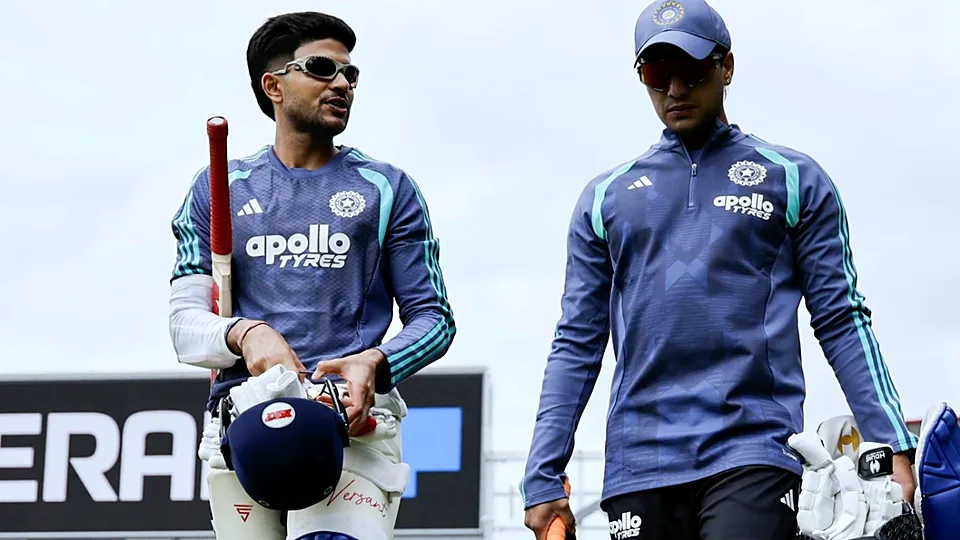
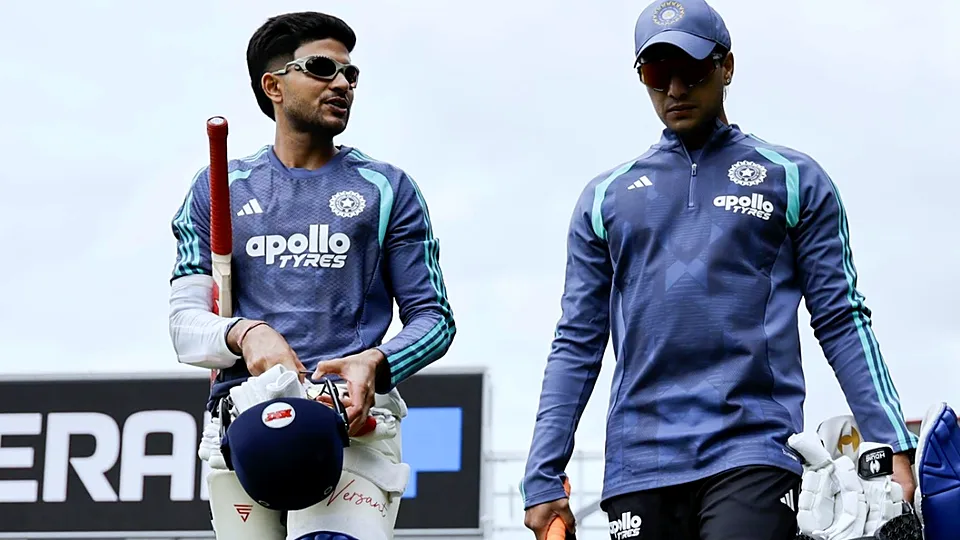
The wind was howling across the Basin Reserve, cutting right through the thin fabrics of the Indian warm-up gear. Shubman Gill stood there, arms crossed, watching the seamers find that wicked, skiddy hard length that New Zealand tracks are famous for. He didn't look like a captain satisfied with the itinerary. He looked like a man who had been handed a puzzle with missing pieces.
Gill’s grievance is simple. He wanted the ODIs first. He believes starting with the longer format would have allowed India to field a full-strength side, treating the tour as a genuine dress rehearsal for the World Cup. Instead, the T20s came first. The rhythm was off. The intensity was fragmented.
The World Cup Math
It’s a classic captain’s plea. By pushing the ODIs to the front, Gill argues the squad could have settled into the 50-over groove before the T20 chaos took over. In his mind, you don't build a World Cup campaign on the fly. You need the Ranji grind mentality applied to the international stage. You need the middle-overs choke perfected before the pressure peaks.
But let's be honest. The schedule is rarely written to suit the visiting captain. It's written for broadcasters and ticket sales. To suggest that the order of formats dictates the quality of preparation is a stretch. Does a batsman suddenly forget how to play a proper cover drive because he played a few T20s first? Hardly.
The real issue isn't the calendar. It's the consistency. India has spent the last few tours tinkering with the Impact Player gamble and rotating bowlers like a revolving door. When you change the XI every three games, the format becomes irrelevant. The lack of a settled core is the ghost in the machine.
High Stakes and Low Entry
Cricket in the modern era has become a bit of a flutter. Selection calls feel like a roll of the dice. It's almost like the selectors are treating the squad like a minimum deposit 100 rupees casino—low risk to enter, but the payouts are wildly unpredictable. One day a youngster is the next superstar; the next, he's back in the domestic circuit wondering where it all went wrong.
Gill wants the security of a full-strength squad. He wants the safety net of the regulars. But the beauty—and the cruelty—of the current setup is the constant churn. If you can't perform when the schedule is skewed, can you really trust yourself when the World Cup final is on the line?
The New-Ball Burst Problem
Watch the footage from the first few spells. The new-ball burst was lackluster. The bowlers were searching for length on a track that offered plenty, yet they looked hesitant. This isn't a result of playing T20s first. This is a result of a lack of confidence in the plan.
- The Pace Attack: Too much reliance on raw speed, not enough subtle movement.
- The Top Order: A tendency to poke at balls outside off-stump in the first ten overs.
- The Death Bowling: Still a work in progress, with too many full tosses.
"The order of the games is a factor, but the mindset is the driver."
That is the dressing-room chatter I'm hearing. You can complain about the itinerary until you're blue in the face, but the ball doesn't know which format you're playing. It only knows if you've hit the deck hard enough to make the batsman sweat.
Gill is a fine player. He is a brave captain. But blaming the sequence of the tour feels like a deflection. The Indian team doesn't need a better calendar. It needs a clearer identity. Whether it's a sticky red-soil track in Chennai or a breezy afternoon in Wellington, the requirement remains the same: discipline over desperation. Let's hope the World Cup prep focuses on the latter.
Related coverage
- IPL 2026 Schedule Dropped: Why Your 100-Rupee Stake Beats the 8 PM IST Toss Lag
- Ekana's Dew Trap, and the Minimum Deposit 100 Rupees Casino Punt

Updated 2026-11-05 · Instant Rupee Deposits & 60s Withdrawals · 24/7 Support.
Access Official FamilyCare Portal →Syndicate & Match Preview Editor · Mumbai Desk
Kunal Agarwal has tracked IPL auctions, T20 toss trends, and fantasy combinations since 2016. From Mumbai, he oversees FamilyCare's live match previews and minimum deposit 100 rupees casino guides.
Reader Discussion & Match Reactions (6)4.8★ Community (6 Comments)
Verified Indian cricket reader perspectives & tactical debate on drfamilycare.com
Seeing Gill’s gripe, I’m reminded that the Punjab Cricket Association’s Ranji programme churned out his textbook cover drive, yet the wild Basin Reserve wind slicing through his thin warm‑up gear shows how domestic preparation still meets overseas conditions head‑on.
From a telemetry view, swapping a 20‑over T20 block for a 50‑over ODI opener would have let bowlers calibrate line‑and‑length over a longer spell, reducing the variance in economy rates before the high‑octane sprint of the T20 series.
The article nails the BCCI’s broadcaster‑driven calendar, but the real danger is a compressed itinerary that forces the Impact Player experiment to be trialled under pressure, potentially eroding senior players’ workload management and giving fringe talent a premature spotlight.
The call for a Ranji‑grind mindset spotlights how state‑level conditioning feeds the national squad, and the new Impact Player rule—though born in the IPL—could become a domestic lever, giving emerging batsmen a controlled taste of World Cup pressure.
World Cup math shows that a strong early ODI NRR cushions a team if the T20 knockout stage turns volatile, so Gill’s push for a 50‑over primer isn’t just habit‑talk; it’s an attempt to lock in a buffer before the sprint‑heavy games.
@Anirudh_Guwahati Absolutely, the wind howling across the Basin Reserve ripped through the thin warm‑up gear, turning every delivery into a test of technique, and it underscores why a domestic Ranji grind alone can’t fully armour a captain against New Zealand’s skiddy seams.
Join the Discussion (6 Reader Comments)
Related Articles
See All
'Going to make me better going forward'
Jul 12, 2026
Heather Knight to retire from international cricket after Lord's Test
Jul 12, 2026
Ireland Beat India, And The Question Is Whether It Was A Fluke Or A Sign
Jul 8, 2026