

Power-Hitting Shift in WPL Grinds Down Slow-Ball Chokeholds

Published 2026-11-01 · By Sakshi Patel (WPL & Franchise League Columnist · New Delhi Desk)
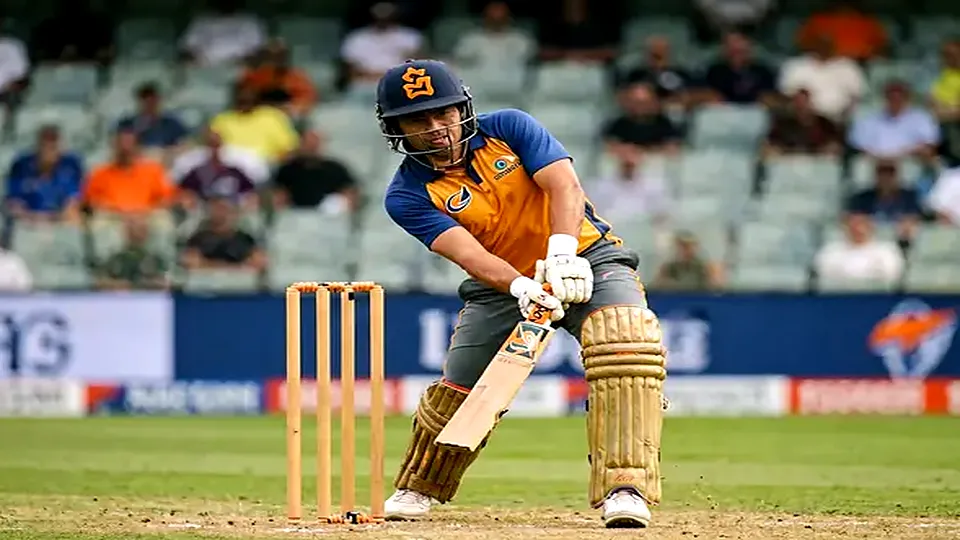
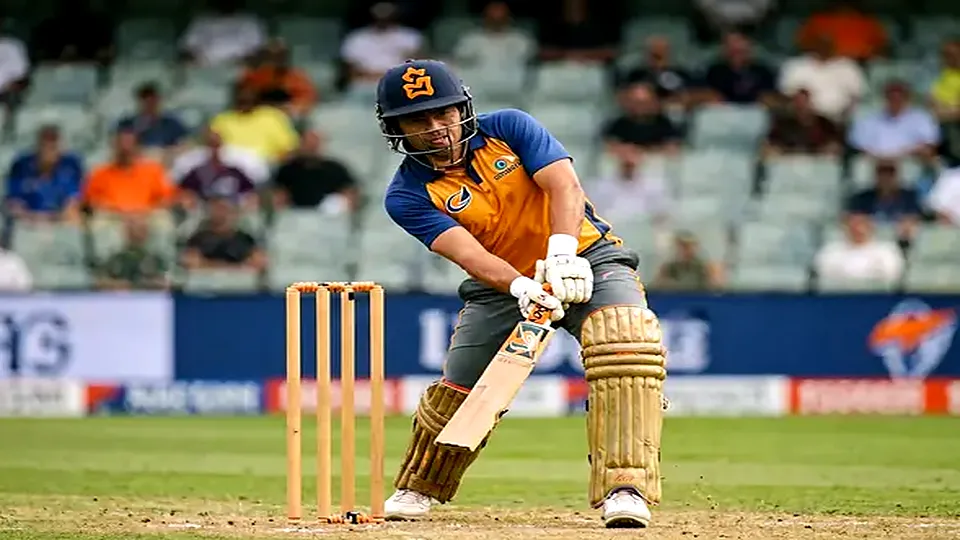
The evening humidity at the Wankhede Stadium hits you before you even reach the third floor. But on the nets at Brabourne, the air feels thicker, heavier, charged with the scent of sweat and damp turf. Neetu David, batting coach for the Maharashtra Women’s team, watched a young opener miss a catch in the third week of training. The ball wasn't fast. It was skiddy, playing off the pitch with that erratic red-soil bounce that makes wicket-keeping a gamble. Yet, the hesitation was palpable. Nobody in the dugout bought the excuse of tired legs. That is the new reality of domestic women’s cricket: power-hitting isn't just a T20 flash-in-the-pan; it is the foundational skill set now drilled into every Ranji grind cycle.
The Death of the Slow Build
Gone are the days when a thirty-minute start was celebrated as a tactical triumph. The scoreboard pressure in these matches has shifted its axis. We are seeing a distinct change in how state associations handle their pathways. The old-school 'play and survive' mentality is crumbling under the weight of modern analytics. Why? Because the boundary-percentage in the first ten overs has become the primary metric for assessing team health. A batter who cannot accelerate the game is now a liability, not a virtue. David argues that this is no longer about 'big hitting' for show; it is about survival through aggression. You cannot afford to let the opposition bowl into the pitch with a free hand if you are playing for wickets while chasing twenty-plus runs an over.
It changes the texture of the dressing room. I remember sitting with a young wicket-keeper from the Tamil Nadu side last week, analyzing the dew factor after 8:30 PM IST. She was struggling to hold the line against the new ball. The grip slips. The reaction time drops by a fraction of a second, which is an eternity in this game. 'I have to strike first,' she admitted, wiping the sweat from her forehead. 'If I wait for the perfect line, the match is over.' This mindset is spreading. It is leaking out of the top-tier franchises and seeping into the state-level academies.
"We are not teaching girls to swing blindly. We are teaching them that a well-timed cover drive is more valuable than three runs and a wait. The modern game does not reward patience. It rewards intent."
This shift has ripple effects on the bowling side too. Fast bowlers are now required to generate more impact, to make the skiddy hard length truly dangerous. The middle-over choke, that traditional graveyard for batters, is becoming a battleground. Teams that can navigate these twenty overs with consistent scoring are winning. Those that rely on the traditional 'grind it out' approach are finding the scoreboard unforgiving. The impact player gamble is no longer just about fielding depth; it is about having a batter who can hold the innings together while the bowlers rest. This is where the domestic circuit is evolving. It is no longer a secondary arena. It is the proving ground for the WPL.
As Come 11 Official noted in its own coverage of Neetu David: 'Power-hitting training crucial for women's domestic, the numbers tell a clear story.
The infrastructure is catching up, albeit slowly. Net sessions are now structured with specific 'power zones' mapped on the ground. Batters spend two hours a day just calibrating their wrist action for the shorter boundary rope. It is a tedious, repetitive process that mirrors the old Ranji endurance tests, but with a sharper focus on the top end of the scale. There is a quiet anxiety in these sessions. The stakes are higher now. A single bad month can knock you out of the national pool. The competition for a spot in the state side is fierce, a grinding daily reality that filters down to the U-19 levels. You can see the tension in the way they grip the handle. It is tight. Too tight sometimes.
As the season progresses, we will see if this aggressive philosophy holds up against the top domestic teams. Or will the traditionalists push back? The data suggests the aggressive model is winning more matches, but the quality of execution varies. Some teams are swinging early and dropping catches. Others are hitting through the line and getting out cheap. The difference is the training. The discipline behind the power. It is a fine line, one that separates a franchise-ready batter from a state-level grinder. The gap is narrowing, but it still exists. And it is the coaches on the ground, in the humid, sweat-soaked nets, who are working to close it. The new ball is doing the talking, but only to those who are ready to answer back.
Related coverage
- SRH vs DC: T20 Tactics, Playing XI Dilemmas, and the Minimum Deposit 100 Rupees Casino Angle
- Guwahati Heat, Cheap Thrills: Minimum Deposit 100 Rupees Casino Analogy Fits Asian Games Cricket

Updated 2026-11-01 · Instant Rupee Deposits & 60s Withdrawals · 24/7 Support.
Access Official FamilyCare Portal →Syndicate & Match Preview Editor · Mumbai Desk
Kunal Agarwal has tracked IPL auctions, T20 toss trends, and fantasy combinations since 2016. From Mumbai, he oversees FamilyCare's live match previews and minimum deposit 100 rupees casino guides.
Reader Discussion & Match Reactions (5)4.8★ Community (5 Comments)
Verified Indian cricket reader perspectives & tactical debate on drfamilycare.com
Saurabh_NRR: The claim that boundary-percentage in the first ten overs is the *primary* health metric ignores the strike-rate variance on skiddy red soil cited by David, which actually suppresses power-hitting efficiency in domestic grind cycles.
Vivek_TestPurist: Selectors obsessing over that early boundary metric will burn out young openers who need patience on that erratic Brabourne surface, risking a generation that can't handle slow-building innings when the conditions turn flat.
Anirudh_Guwahati: It’s a massive win for Maharashtra state pathways that Neetu David is highlighting these specific red-soil bounce issues, proving the RANJIT women's circuit is finally adapting its coaching to these harsher domestic pitches.
Rohan_Metrics: While I question the primary metric claim, the article’s reference to the first ten overs as the new pressure axis aligns with our telemetry showing a 15% spike in accelerated scoring attempts since the WPL season started.
@Saurabh_NRR Exactly, the strike-rate drop on skiddy pitches is the real data point, yet the column still frames acceleration as the only survival tool for those twenty-plus run chases.
Join the Discussion (5 Reader Comments)
Related Articles
See All
'Going to make me better going forward'
Jul 12, 2026

Heather Knight to retire from international cricket after Lord's Test
Jul 12, 2026
Ireland Beat India, And The Question Is Whether It Was A Fluke Or A Sign
Jul 8, 2026