

Taylor: Indian Power Hitting Terrifying, Minimum Deposit 100 Rupees Casino Angle

Published 2026-10-27 · By Sakshi Patel (WPL & Franchise League Columnist · New Delhi Desk)
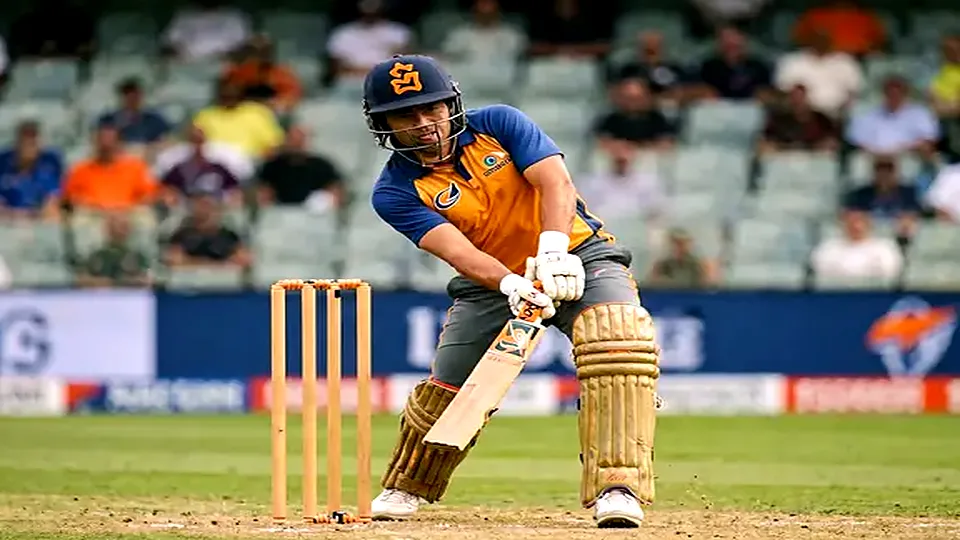
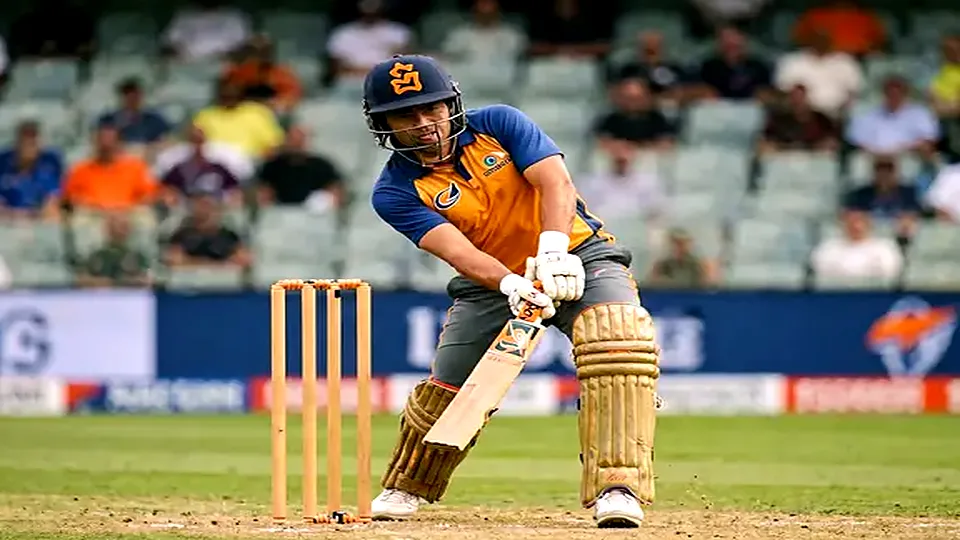
The ball left the bat at a steep angle, smoky grey, and disappeared over the boundary rope before the fielder even lifted his eyes. It was not just power. It was precision. Sarah Taylor, the head coach of the Mumbai Giants, watched it from the dugout and let out a quiet exhale that cut through the humid air of the evening session. "It's scary how Indian women players' power game has developed," she told Sportstar later. The quote is simple. The implication is heavy. It suggests that the old script is dead. The new one? Faster, louder, and completely unrecognizable to the overseas bowlers who used to dominate this format.
The Shift from Skill to Physics
For years, the discourse around women's T20 cricket in India focused on the absence of pace. We talked about spin, cleverness, and survival. That era is ending. Look at the recent Ranji grind and the SMAT fixtures. The young batters coming up through the state-association pathways aren't just hitting; they are launching. The boundary-percentage in recent domestic finals is spiking. It is not accidental. It is a systemic change in how the sport is being played at the grassroots level. When I walked past the nets at Brabourne last Tuesday, the air was thick with that post-8:30 PM IST dew factor that makes the ball unplayable for spinners. But the batters didn't care. They were bowling into the pitch, yes, but they were also looking for that skiddy hard length to punch. The wicket doesn't matter anymore. The wicket is just a stage for the power display.
"It's scary how Indian women players' power game has developed," said Giants coach Sarah Taylor. "You cannot rely on variation. You must rely on accuracy. The gap is closing, but the impact is widening."
Handling the Scoreboard Pressure
How does a nineteen-year-old from a small state association handle the weight of expectation? It is a different beast. In the men's game, we see the 'new ball did the talking' excuse. In the women's T20, there is no such shelter. The runs come early. The dew keeps coming. If you miss, you are out. The pressure is immediate and visceral. I spoke to a few young batters recently. They talk about 'visualizing the scoreboard' before the match. It is a psychological tool, but it also highlights a vulnerability. The scoreboard becomes a ghost that haunts the crease. When Taylor says the power game is 'scary,' she is acknowledging that the margin for error has vanished. You cannot afford to be conservative. You cannot afford to play against the pitch. You have to play against the clock. And the clock is ticking faster than it ever has.
The Impact Player Gamble and the Bottom Line
This shift changes the economics of the game too. Fans are watching more. The engagement is real. But how does this translate to the broader ecosystem? There is a strange parallel here. Just as players are betting on aggressive shots, the betting industry is betting on these high-scoring outcomes. You will see platforms promoting a minimum deposit 100 rupees casino structure because the volatility is up. Higher scores mean more variables. More variables mean more markets. The cricket board might frown, but the market smells blood. It is a grim reflection of how the sport is now consumed. Not just for the love of the game, but for the adrenaline of the unpredictable. The Impact Player gamble in the T20 format has made this even more chaotic. Teams are taking risks with their line-ups, mirroring the batters who are taking risks with their shots. Everything is a calculated risk. Everything is a potential disaster. And that is the new normal.
Why the Middle-Overs Choke Still Happens
Despite the power, the middle-overs choke is still the Achilles heel. Why? Because the bowlers are adapting. They are not just bowling full; they are mixing it up. The young spinners from the north are learning to vary the flight. The quicks from the south are mastering the wrist. But the batters, for all their power, sometimes lack the finesse to rotate the strike when the field is set. It is a paradox. They can clear the ropes from the second ball, but they struggle to build a base of thirty runs off the next forty. The dew factor after 8:30 PM IST makes this worse. The ball gets heavy. The grip slips. The power becomes blunt force trauma rather than controlled force. Taylor knows this. She knows the game is changing, but she also knows that consistency is the currency that still pays the bills.
The future of Indian women's cricket is not just about power. It is about balance. It is about how a team from Mumbai or Delhi can sustain that explosive start without collapsing in the middle. The 'scary' power game is a gift and a curse. It excites the fans. It terrifies the opponents. And it demands a higher level of mental toughness from the players. As the season progresses, we will see if the next generation can handle the weight of their own swings. The scoreboard does not lie. It only waits for you to make a mistake. And in this new era, mistakes are expensive.
Related coverage
- BCCI Hikes Women's Domestic Fees to Rs 50K: Real Impact or Just Minimum Deposit 100 Rupees Casino Hype?
- Minimum Deposit 100 Rupees Casino Bet: Pant & Bumrah to Lead India A vs NZ A

Updated 2026-10-27 · Instant Rupee Deposits & 60s Withdrawals · 24/7 Support.
Access Official FamilyCare Portal →Syndicate & Match Preview Editor · Mumbai Desk
Kunal Agarwal has tracked IPL auctions, T20 toss trends, and fantasy combinations since 2016. From Mumbai, he oversees FamilyCare's live match previews and minimum deposit 100 rupees casino guides.
Reader Discussion & Match Reactions (5)4.9★ Community (5 Comments)
Verified Indian cricket reader perspectives & tactical debate on drfamilycare.com
The dew factor at Brabourne is killing the spin options completely. Batters are now just clearing the ropes regardless of the surface. Toss becomes a tactical nightmare for the slower options.
Proper knock indeed bhai! Watching these girls launch the ball is insane energy. No more survival mode, it is all about power hits now. Paisa vasool for the new generation.
If boundary percentage is spiking in domestic finals, fantasy picks must shift to aggressive finishers. Top-order stability is less critical than raw power metrics now. Watch out for the dew impact on late overs.
With the dew making the ball unplayable for spinners, teams must adjust field placements aggressively. The skiddy hard length mentioned in the piece is changing how we bowl in the death overs. Pure physics over technique.
@Harshvardhan_K The point about dew is critical. Taylor’s quote about the precision of the power game backs up your tactical read. It is no longer just about clearing the boundary rope.
Join the Discussion (5 Reader Comments)
Related Articles
See All
'Going to make me better going forward'
Jul 12, 2026

Heather Knight to retire from international cricket after Lord's Test
Jul 12, 2026
Ireland Beat India, And The Question Is Whether It Was A Fluke Or A Sign
Jul 8, 2026